Clean Intermittent Self-Catheterisation
Personalised nurse-led training to help you learn safe, effective, and independent bladder emptying techniques.
Service Overview
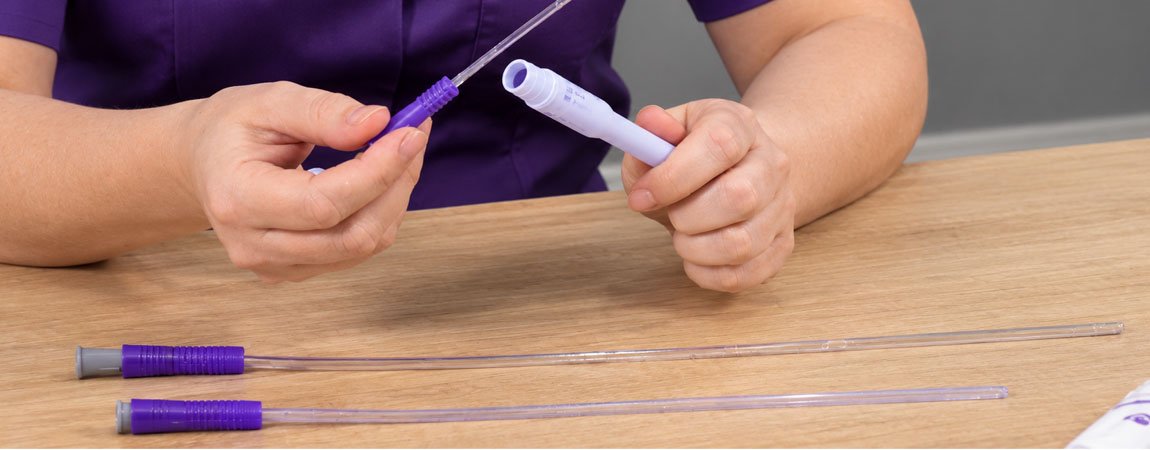
Clean Intermittent Self-Catheterisation (CISC) is a procedure in which a small catheter is gently inserted into the bladder to drain urine. The catheter is then removed immediately after the bladder has been emptied.
You will be advised how often to perform this procedure based on your residual urine volume — the amount of urine left in your bladder after you pass urine naturally.
Please ensure you meet the following requirements before your CISC session:
Present a letter from your Doctor confirming you are to be taught how to perform this procedure.
Alternatively, you may be eligible if you have failed a Trial Without Catheter (TWOC) and prefer intermittent self-catheterisation instead of an indwelling catheter.
You must be registered with an NHS GP, who can prescribe your future self-catheterisation supplies.
If you do not have an NHS GP, you may need to purchase your own catheters for future use.
A qualified nurse will guide you step-by-step through the process of safe and hygienic catheterisation.
You will be provided with a variety of clean intermittent catheters to choose from free of charge during your session.
The nurse will ensure you understand proper technique, hygiene, and storage for your catheters.
Our team will follow up via telephone after 1–2 weeks to review your progress and address any challenges you may face.
Continuous support is available to help you gain confidence and independence in performing CISC safely.
Bleeding during or after catheterisation
Pain or discomfort during insertion
Urinary tract infection (UTI) risk due to improper technique or hygiene
Difficulty or failed catheterisation caused by obstruction in the urethra
- Important: We Do Not Provide Emergency Care
- significant bleeding
- difficulty or inability to pass urine
- symptoms of sepsis
- severe pain
- any other serious or rapidly worsening symptoms
Call 999
If it is a life-threatening emergency.
Call NHS 111
For urgent medical advice and guidance
Attend A&E
If advised by NHS 111